

Why Sensitive Skin Needs a Thoughtful Approach
Laser hair removal works by delivering light energy that melanin in the hair follicle absorbs, converting it to heat that damages the follicle (selective photothermolysis). The procedure is most effective when hairs are in the active anagen phase, so multiple sessions spaced 4‑6 weeks apart are required. For patients with sensitive skin, the key concerns are heightened erythema, swelling, and a greater risk of pigmentary changes. Choosing a wavelength that penetrates deeper with less epidermal melanin absorption—such as Nd:YAG (1064 nm) or diode (800‑810 nm)—and employing built‑in cooling (contact, cryogen spray, or air) helps protect the epidermis. A patch test, low‑fluence settings, and adequate pre‑treatment preparation (sun avoidance, shaving, discontinuing irritants) are essential. Professional guidance from a board‑certified dermatologist ensures proper laser selection, personalized settings, and safe post‑care protocols, minimizing adverse reactions while achieving effective hair reduction.
Before You Begin: What You Should Know and Potential Long‑Term Effects
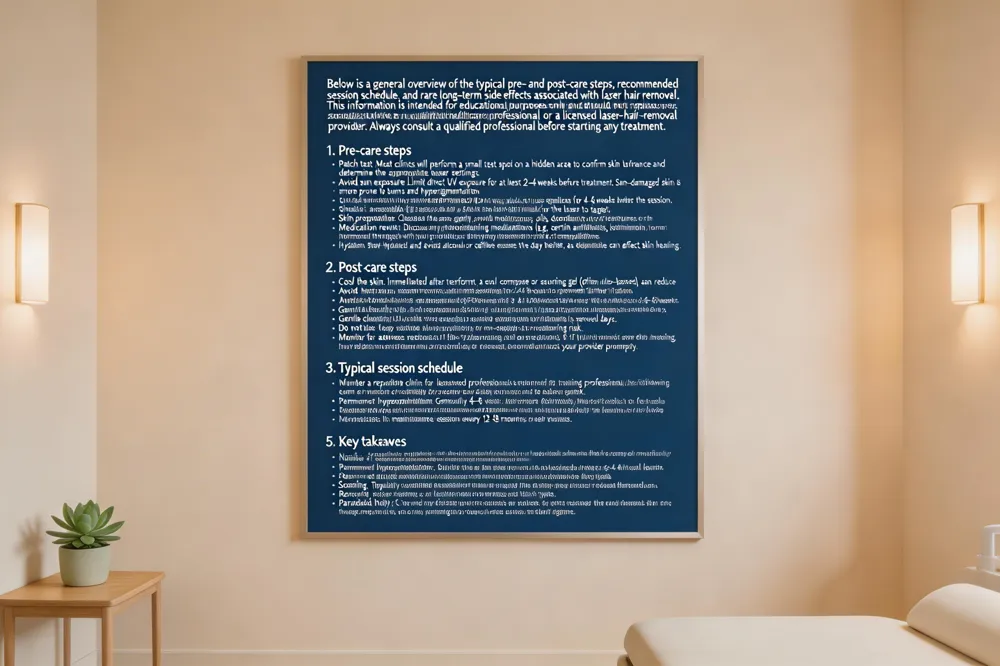 Laser hair removal is a multi‑session process—typically 6‑8 treatments spaced 4‑6 weeks apart—to catch hairs in the active anagen phase. Most patients feel a brief, snap‑like sensation rather than severe pain, especially when devices employ built‑in cooling (contact coolers, ice‑cooling windows, or cryogen spray). Proper pre‑treatment skin preparation (Shave the treatment area 24‑48 h before the session, avoid sun, retinoids, and waxing) and diligent post‑care (cool compresses, fragrance‑free moisturizers, SPF 30+ sunscreen, and avoiding heat for 24‑48 h) are essential for comfort and optimal results. The procedure represents an investment; however, the long‑term reduction in hair density can offset the cost when performed by a board‑certified dermatologist or licensed laser professional who can tailor fluence, pulse duration, and cooling to your skin sensitivity. Long‑term side effects are rare: the most common lasting issue is pigment alteration (hyper‑ or hypopigmentation), especially with shorter‑wavelength lasers on darker skin. Permanent scarring or texture changes are uncommon when protocols are followed.
What I wish I knew before laser hair removal?
- Multiple sessions are required; it isn’t a one‑and‑done fix.
- Results vary—some achieve >90 % reduction, others less.
- Expect a quick snap‑like sensation, not painless.
- Pre‑ and post‑care are critical for safety and efficacy.
- It’s a financial investment, but long‑term hair reduction can be worthwhile.
- Choose a qualified, board‑certified provider.
Laser hair removal side effects long term Most adverse events are mild and transient. Persistent pigment changes (hyper‑ or hypopigmentation) are the most often reported lasting effect, particularly in darker skin tones or with shorter‑wavelength lasers. Permanent scarring or texture alteration is rare; large studies show no lasting dermal damage when performed by trained professionals.
Laser hair removal side effects on face Temporary redness, swelling, and a mild burning sensation usually resolve within hours. Pigment changes can occur, especially with shorter wavelengths on darker skin; longer‑wavelength Nd:YAG lasers reduce this risk. Rare complications include blistering, crusting, or scarring, and the procedure must never be applied to eyelids or eyebrows.
Side effects of laser hair removal on bikini area Patients may experience temporary redness, irritation, crusting, or mild blistering, which improve with moisturization and avoiding picking. Burns and pigment alterations are possible if settings are too aggressive or sun protection is neglected. Scarring is uncommon but underscores the need for a qualified dermatologist.
Choosing the Right Laser Technology for Sensitive Skin
 Laser hair removal for sensitive skin hinges on three factors: the light source, cooling, and adjustable intensity.
IPL vs. Diode vs. Alexandrite vs. Nd:YAG
- IPL (broad‑spectrum) is gentler and suitable for light‑to‑medium tones, but lower energy means slower results.
- Diode lasers (800‑810 nm) balance depth and melanin absorption, work well on medium skin, and include built‑in cooling for comfort.
- Alexandrite (755 nm) excels on very fair skin but can cause more irritation on sensitive or darker complexions.
- Nd:YAG (1064 nm) penetrates deepest with minimal epidermal melanin uptake, making it the safest choice for darker or highly reactive skin.
Cooling and Intensity Controls
Modern devices integrate contact cooling, cryogen spray, or sapphire ice‑cooling plates to protect the epidermis. Adjustable fluence and pulse duration let users start at low settings and increase gradually—essential for delicate skin.
Top Devices
- Braun Silk Expert Pro 5: FDA‑cleared IPL with SensoAdapt skin‑tone sensor and ten intensity levels; praised for gentle at‑home use.
- Ulike Air 3: IPL with sapphire ice‑cooling and skin‑tone sensor; ideal for sensitive users seeking at‑home treatment.
- Nd:YAG professional systems: e.g., Candela GentleMax Pro, provide deep penetration and cooling, preferred in clinics for darker or very sensitive skin.
Key Recommendations
- Perform a patch test 24‑48 h before full‑body use.
- Shave the area 24 h prior; avoid waxing/plucking for 6 weeks.
- Space sessions 4‑6 weeks apart (6‑8 total) and use fragrance‑free moisturizers and SPF 30+ after each treatment.
- Choose FDA‑cleared devices with cooling and multiple intensity levels to minimize erythema and pigment changes.
At‑Home Devices versus Professional Clinics: Safety and Efficacy
 FDA clearance is the primary safety marker for at‑home hair‑removal tools. All eight devices highlighted in Forbes, including the Braun Silk Expert Pro 5, RoseSkinCo. Lumi and Iluminage Touch, are FDA‑cleared, but clearance does not equate to the higher energy output of in‑office lasers.
IPL versus diode at home: IPL (e.g., Braun Silk Expert Pro 5, Ulike Sapphire Air 3) offers broad‑spectrum light, multiple intensity levels and built‑in skin‑tone sensors, making it gentle for sensitive skin but limited to Fitzpatrick I‑IV. Diode devices (e.g., DermRays V8S, Tria 4X Laser) deliver deeper, more focused energy, yielding faster reduction yet requiring careful cooling and skin‑type matching.
Board‑certified dermatologists stress patch testing, proper shaving, and consistent schedules (2‑3 sessions/week initially) to minimize irritation. Professionals also provide cooling technologies, adjustable fluence, and personalized settings that home devices cannot always replicate.
Pricing: At‑home IPL units range from $150‑$300, while diode models cost $300‑$600; professional packages typically run $150‑$400 per session, with 6‑8 sessions needed for optimal results.
Best at‑home device: Braun Silk Expert Pro 5 – 10 intensity levels, SensoAdapt sensor, up to 400,000 flashes.
Best diode at‑home: DermRays V8S – clinical‑grade 810 nm diode, built‑in cooling, FDA‑cleared for skin tones 1‑5.
Dermatologist‑recommended devices: Braun Silk Expert Pro 5 for light‑to‑medium skin; Iluminage Touch for darker tones.
FDA‑approved home options: Braun Silk Expert Pro 5 (IPL), Ulike Air 10 (IPL), Tria 4X (diode), CurrentBody Skin Laser (diode).
Safety: Laser hair removal is generally safe when performed by qualified providers; rare adverse events stem from improper settings or unqualified technicians.
Professional Care at Hudson Dermatology: Expertise, Pricing, and Access
 Hudson Dermatology in New York is staffed by a team of board‑certified physicians, many with double board certifications, including Dr. Hendrik Uyttendaele, MD, PhD; Dr. Ross Zeltser; Dr. Filamer (Kab) Kabigting; Dr. Carlos A. Charles; Dr. Jeffrey S. Kezis; Dr. Marisa Belaidi; Dr. Sandeep Saluja; Dr. Joshua Kaminetsky; Dr. Harshitha Mannam; Dr. Kristina Campton; Dr. Diana Hurwitz; Dr. Shant Tamazian; Dr. Ziv Schwartz; Dr. Kaylan Pustover, DO; Dr. Lasha Jaiani; Dr. Michael Romano; Dr. Forrest White; Dr. John Carruci, MD, PhD; Dr. Grigoriy Mashkevich; and Dr. Anna Frants. Their specialist training in laser physics, skin biology, and safety protocols makes dermatologist‑performed laser hair removal the safest option, minimizing burns, pigment changes, and scarring.
Pricing is not a flat rate; it is determined during a personalized consultation based on treatment area size, number of sessions, and individual skin‑hair characteristics. Typical U.S. costs range from $75‑$150 for small zones (upper lip, underarms) to $200‑$400 for larger areas, with full‑body sessions $600‑$800. Hudson Dermatology often offers package discounts that reduce per‑session fees by 20‑30 %.
Laser hair removal services are available at Hudson’s New York offices in Hudson, Nanuet, Cornwall, Fishkill, Kingston, Poughkeepsie, Somers, and Tarrytown, plus a partner site in Hudson, WI. Use the clinic’s “Find a Doctor” tool or call to locate the nearest office and schedule a consultation.
Advanced Laser Platforms and Their Role in Sensitive‑Skin Care
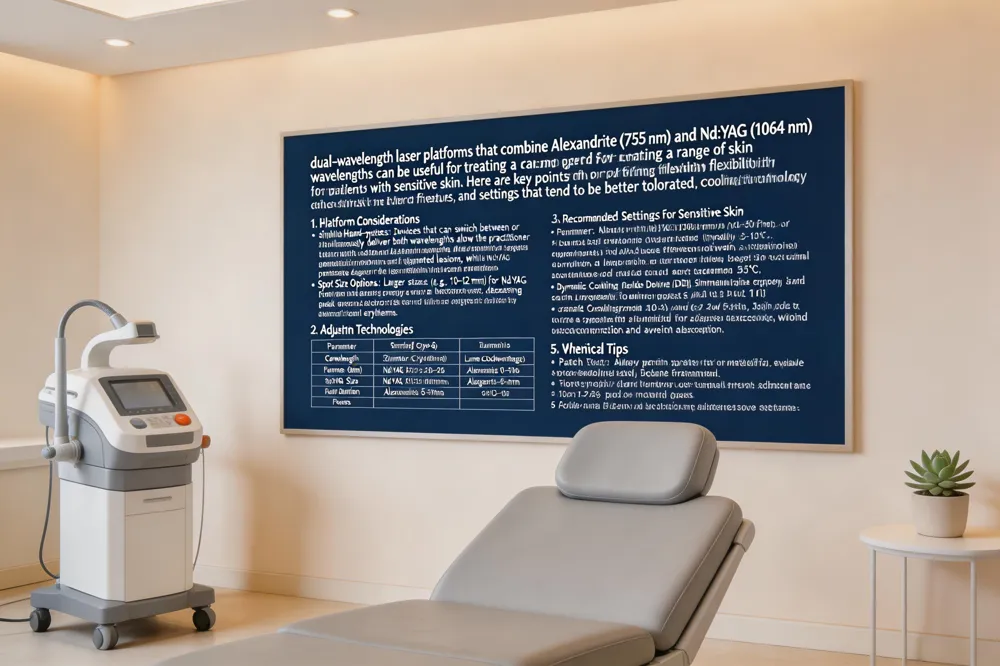 Dual‑wavelength platforms such as the Candela GentleMax Pro combine Alexandrite (755 nm) and Nd:YAG (1064 nm) wavelengths, allowing clinicians to match the optimal laser to each patient’s Fitzpatrick I‑III. The GentleMax Pro is widely regarded as the most advanced hair‑removal system; its Dynamic Cooling Device protects the epidermis, making treatments virtually pain‑free and safe for sensitive skin. Nd:YAG’s longer wavelength penetrates deeper with minimal melanin absorption, which reduces the risk of burns and hyper‑pigmentation on darker or highly reactive skin. Alexandrite’s shorter 755 nm wavelength is highly absorbed by melanin, delivering fast, effective hair removal for fair‑to‑medium skin (Fitzpatrick I‑III) and fine dark hair. Patient reviews consistently highlight the importance of lower‑energy settings, built‑in cooling, and FDA clearance for comfort and safety. For at‑home options, the Braun Silk Expert Pro 5 (SensoAdapt, ten intensity levels) and RoseSkinCo. Lumi (IPL with cooling filter) receive high marks from dermatologists for sensitive‑skin use. In practice, a patch test, proper pre‑ and post‑care, and spaced‑out sessions (4‑6 weeks) are essential to achieve lasting reduction while minimizing irritation.
Long‑Term Maintenance, Expectations, and Rare Complications
 Laser hair removal is not permanent; it provides long‑lasting reduction by damaging follicles, so remaining hairs may grow back finer and slower, especially on dark‑hair, light‑skin bodies. Full treatment series and periodic touch‑ups keep skin smooth for months to years, while hormonal changes can trigger new growth. Scientific data show no credible link between laser hair removal and cancer—lasers emit non‑ionizing radiation that does not damage DNA, though patients with a history of skin cancer should exercise caution. Paradoxical hypertrichosis, a rare (0.3–0.6 % incidence) side‑effect, can cause unexpected thicker hair in treated zones, more often in darker skin or hormonal disorders; adjusting to longer‑wavelength devices (e.g., Nd:YAG) and sun protection helps manage it. If regret arises, a board‑certified dermatologist can reassess settings, add adjunctive therapies, and design a realistic maintenance plan. Hair loss after treatment is usually temporary shedding of treated follicles, not systemic loss; rare scarring or hyperpigmentation may occur if protocols are not followed.
Your Path Forward
Choosing the right technology is the cornerstone of safe hair reduction for sensitive skin. Devices that combine longer wavelengths (e.g., Nd:YAG) with built‑in cooling minimize irritation, while at‑home IPL units should be limited to lower intensities and skin‑tone sensors. Professional oversight ensures laser settings, pulse duration, and fluence are customized to your Fitzpatrick type and hair characteristics, reducing the risk of burns or pigment changes. Before beginning any regimen, perform a patch test, follow pre‑treatment skin‑prep guidelines, and commit to a gentle, consistent schedule—weekly sessions initially, then monthly maintenance—to achieve lasting, comfortable results.